Dry Cleaning vs Wet Cleaning: Which is Right for Your Business?Dry Cleaning vs Wet Cleaning: Which is Right for Your Business?
If you're researching garment care systems for your business, you've probably encountered two terms: dry cleaning and wet cleaning. Despite similar names, they're fundamentally different processes with very different implications for your costs, staff safety, and regulatory compliance.
Here's what you need to know about the pro's, con's and differences between dry cleaning and wet cleaning.
Dry Cleaning vs Wet Cleaning: The Quick Answer
Dry cleaning uses toxic chemical solvents (primarily PERC, hydrocarbon, or other volatile organic compounds) to clean garments. It's been the industry standard for decades but comes with significant health risks, environmental liabilities, and ongoing costs for hazardous waste disposal and regulatory compliance.
Wet cleaning uses water and safe, biodegradable detergents in precision-controlled commercial equipment. Modern wet cleaning systems can safely process 99.9% of items traditionally labelled "Dry Clean Only" whilst eliminating toxic chemicals, reducing operating costs, and removing regulatory burdens.
What is Dry Cleaning?
Dry cleaning isn't actually "dry" - it just doesn't use water. Instead, it relies on chemical solvents to dissolve oils, grease, and stains. The most common solvents are:
- PERC (Perchloroethylene) - A probable human carcinogen classified by the IARC as Group 2A
- Hydrocarbon solvents - Less toxic than PERC but still classified as volatile organic compounds
- Other VOC solvents - Various petroleum-based chemicals with their own health and environmental concerns
The process involves immersing garments in these solvents, which break down oils and waxes without causing the shrinkage that uncontrolled water exposure might cause. The solvent is then distilled and reused, creating toxic still residues that must be disposed of as hazardous waste.
The hidden costs of dry cleaning:
- £300-£1,000 per hazardous waste collection
- Annual Local Authority Permit fees
- Compliance with strict 20g/kg emissions limits under the Solvent Emissions Directive
- Occupational health risks for staff
- Ongoing solvent purchase costs
- Specialist equipment maintenance
For a detailed breakdown of these costs, read: The Solvent Problem: Why Toxic Chemicals Are The Biggest Hidden Cost of Dry Cleaning
What is Wet Cleaning?
Wet cleaning is a precision water-based process that uses advanced commercial equipment to safely clean delicate fabrics. It's not remotely similar to domestic washing - professional wet cleaning systems feature sophisticated computer controls that manage four critical variables:
- Mechanical action - Precise drum speed and agitation levels customised for each fabric type
- Water volume - Exact dosing to maximise cleaning whilst protecting fibres
- Detergent - Biodegradable cleaning agents measured to the millilitre
- Temperature - Carefully controlled to prevent thermal shock and dye bleeding
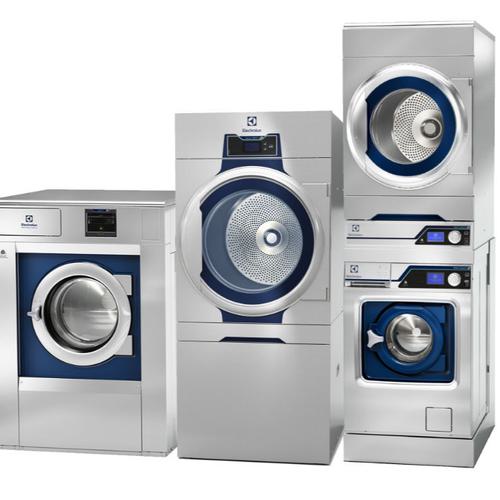
Modern systems like the Electrolux Lagoon® Advanced Care combine precision washing and drying with professional tensioning finishing equipment. This complete process safely handles silk, wool, rayon, and other delicate materials previously considered "dry clean only."
For a comprehensive introduction to wet cleaning technology, read our guide: What is Wet Cleaning? A Guide to Eco-Friendly Laundry Care
Learn more about the Electrolux Lagoon® Advanced Care system.
The wet cleaning advantage:
- 21% lower operating costs than solvent-based systems
- Zero hazardous waste disposal fees
- No Local Authority Permits required
- No carcinogen exposure for staff
- Garments feel softer and smell fresher
- Superior stain removal for water-soluble soiling (90% of common stains)
Dry Cleaning vs Wet Cleaning: Side-by-Side Comparison
| Dry Cleaning (Solvent-Based) | Wet Cleaning | |
|---|---|---|
| Cleaning Agent | Toxic solvents (PERC, hydrocarbon, VOCs) | Water + biodegradable detergents |
| Health Risk | Probable/known carcinogens | Zero occupational hazard |
| Environmental Impact | High - toxic waste, emissions | Low - wastewater only |
| Regulatory Requirements | Local Authority Permit, emissions tracking | None |
| Hazardous Waste Disposal | £300-£1,000 per collection | £0 |
| Running Costs | High (solvents, permits, waste) | 21% lower |
| Garment Feel | Can feel stiff, chemical residue | Soft, fresh, no odour |
| Stain Removal | Effective on oils/grease | Superior on water-soluble stains (90% of soiling) |
| Equipment Lifespan | Parts increasingly scarce | Modern, supported systems |
Why Businesses Are Switching to Wet Cleaning
The shift from dry cleaning to wet cleaning is accelerating across the UK. Three factors are driving this change:
1. Financial Pressure
Operating costs for solvent-based systems continue to rise. Hazardous waste disposal fees, permit costs, and solvent purchases create a high total cost of ownership. Wet cleaning eliminates these recurring expenses whilst reducing utility costs by an average of 21%.
2. Regulatory Environment
The UK's strict solvent emission limits (20g/kg under the Solvent Emissions Directive) require meticulous record-keeping and annual audits. Enforcement is increasing, and penalties for non-compliance can be severe. Wet cleaning removes this regulatory burden entirely.
3. Equipment Obsolescence
Solvent machines are ageing. Parts are becoming scarce. Engineers with dry cleaning expertise are retiring. When a 20-year-old PERC machine breaks down, businesses can face weeks of downtime waiting for repairs. Modern wet cleaning systems eliminate this operational risk.
Discover more benefits in our article: 7 Reasons to Become a Wet Cleaner
Common Myths About Wet Cleaning
"Water will shrink delicate fabrics"
Shrinkage comes from uncontrolled agitation and excessive heat, not water itself. Professional wet cleaning systems use precision controls and humidity sensors to prevent damage. Modern systems safely process 99.9% of "Dry Clean Only" items.
"Only solvents can remove oil and grease"
Advanced detergents effectively emulsify oils, and targeted spotting agents handle petroleum-based stains. More importantly, 90% of garment stains are water-soluble - wet cleaning excels at removing sweat, food, drinks, and mud that solvent cleaning struggles with.
"Wet cleaning is just like domestic washing"
Professional wet cleaning equipment bears no resemblance to domestic machines. Commercial systems feature programmable controls, specialised finishing equipment, and industrial-grade capacity designed for high-throughput operations.
For a detailed breakdown of these myths, read: Myths vs. Reality: 5 Things Dry Cleaners Get Wrong About Modern Wet Cleaning
Is Wet Cleaning Right For Your Business?
Wet cleaning makes sense if you're:
- Facing rising operating costs - Hazardous waste fees, permit costs, and solvent purchases are increasing
- Concerned about regulatory compliance - Emissions tracking and Local Authority oversight create ongoing administrative burden
- Running ageing equipment - Parts are scarce, engineers are retiring, and downtime risks are increasing
- Looking to attract eco-conscious customers - Modern consumers increasingly demand non-toxic, sustainable services
- Planning for the future - The industry is moving away from toxic solvents; early adopters gain competitive advantage
Explore our complete wet cleaning solutions to find the right system for your needs.
The Bottom Line
Dry cleaning relies on toxic solvents that create ongoing costs, regulatory burdens, and health risks. Wet cleaning uses precision water-based technology to deliver superior results whilst cutting operating costs and eliminating chemical liabilities.
The question isn't whether wet cleaning works - thousands of UK businesses have already made the switch and proven the technology. The question is whether you can afford to keep paying the hidden costs of solvent-based systems.
Ready to explore wet cleaning for your business?
Wavepoint Group is the UK's leading supplier of professional wet cleaning systems. As Electrolux Professional's No.1 Wet Cleaning Dealer in the UK, we provide complete installation, training, and ongoing support.
Call us at 020 8579 2661 or email mail@wavepointgroup.co.uk to book a demo.
Latest articles

Shirt Finishing Equipment Innovation 2026 - A feature in Laundry & Cleaning Today
In a sector where productivity, consistency and energy efficiency directly affect margins, finishing…
Read more
Essential Buyer's Guide: How To Choose A Wet Cleaning System
This guide moves beyond the "why" and focuses on the "how." It details the essential criteria you must use…
Read more
The New Standard of 'Clean': Why Wet Cleaned Garments Feel Softer and Smell Fresher
Modern professional wet cleaning has raised the bar, defining a new standard where true clean means not just…
Read more